

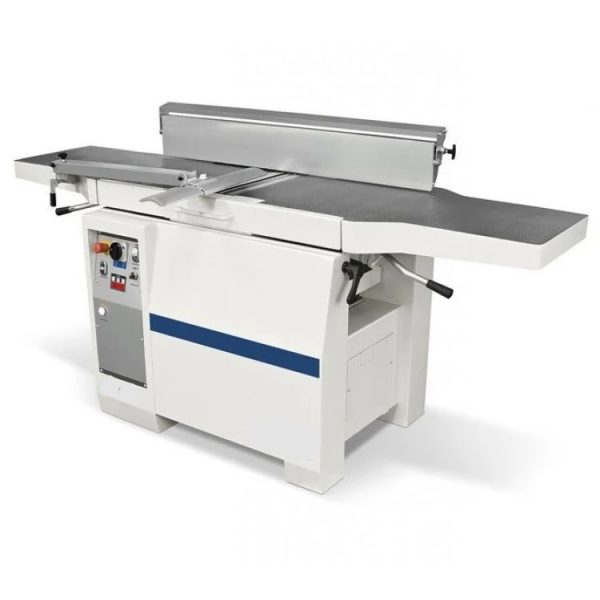
If you’ve ever worked with rough timber, you’ll know it rarely comes perfectly flat, straight, or ready to use. That’s where a planer thicknesser becomes essential. Whether you’re a hobbyist or running a professional workshop, this machine plays a key role in preparing wood accurately and efficiently.
In simple terms, this machine combines two essential woodworking processes into one—saving space, time, and effort while delivering precise results. But how exactly does it work, and why is it such a valuable tool in modern woodworking?
A planer thicknesser (sometimes called a wood thicknesser machine or woodworking thicknesser) is a combination machine that performs two core functions:
- Planing (surfacing) – flattening one face of a board
- Thicknessing – reducing the board to a consistent thickness
Instead of using separate machines, a planer thicknesser machine allows you to carry out both tasks in one unit. This makes it a popular choice for workshops where efficiency and space matter.
Why Is a Planer Thicknesser Important in Woodworking?
Timber straight from suppliers is often uneven, warped, or inconsistent in thickness. Using a thicknesser machine ensures that every piece of wood is:
- Flat and level
- Consistent in thickness
- Ready for joinery or assembly
Without proper preparation, even the best woodworking projects can suffer from poor alignment or weak joints. A wood thicknesser eliminates these issues before they start.
How Does a Planer Thicknesser Work?
The machine operates in two key stages:
1. Planing (Flattening the Surface)
The wood is first passed over the planer tables. This process removes high spots and creates a flat reference surface. It’s the most important step because everything else depends on this accuracy.
2. Thicknessing (Creating Uniform Thickness)
Once one face is flat, the board is fed through the thicknesser section. The machine removes material evenly across the entire surface, ensuring a consistent thickness from end to end.
This two-step process is what makes a woodworking thicknesser so effective—it ensures both accuracy and repeatability.
Key components of a planer thicknesser
Understanding the main parts helps you get better results:
- Infeed Table – where the wood enters for planing
- Outfeed Table – supports the wood after cutting
- Cutterhead – rotating blades that remove material
- Thicknessing Bed – supports wood during thicknessing
- Feed Rollers – pull the wood through evenly
Modern thicknesser machines are designed for smooth operation, with improved safety features and better dust extraction compatibility.
Difference Between Planer Thicknesser vs Thicknesser vs Surface Planer
This is where many people get confused.
Thicknesser Machine
A thicknesser machine is used only to reduce wood thickness. It does not flatten warped boards—you need a flat surface first.
Surface Planer (Jointer)
A surface planer (or jointer) is used to flatten one face or edge of the wood.
Planer Thicknesser
A planer thicknesser combines both functions, making it the most versatile option for most workshops.
👉 In short:
- Surface planer = flatten
- Thicknesser = size
- Planer thicknesser = both
Benefits of Using a Planer Thicknesser
1. Accuracy You Can Rely On
Consistency is everything in woodworking. A wood thicknesser machine ensures every board is cut to the exact thickness required.
2. Saves Time and Effort
Instead of switching between machines, a thicknesser machines streamlines your workflow. This is especially useful in busy workshops.
3. Better Surface Finish
Modern table planer machines produce a smooth finish, reducing the need for excessive sanding.
4. Space-Saving Solution
For smaller workshops, a combination machine is far more practical than separate units.
5. Versatility Across Projects
From furniture making to joinery, a woodworking thicknesser adapts to a wide range of tasks.
Choosing the Right Planer Thicknesser (2026 Buying Tips)
If you’re considering upgrading or buying for the first time, here are a few things to look for:
- Cutting width and depth capacity
- Motor power (important for hardwoods)
- Build quality and stability
- Ease of switching between functions
- Dust extraction compatibility
In 2026, many newer models also focus on:
- Reduced noise levels
- Improved cutterhead technology (spiral/helical)
- Enhanced safety systems
Common Uses of Thicknesser Machines
A thicknesser machine is used in:
- Furniture manufacturing
- Cabinet making
- Flooring preparation
- Joinery workshops
- DIY woodworking projects
They are particularly useful when working with rough or reclaimed timber, ensuring consistent and workable material.
Final Thoughts
A planer thicknesser is one of the most valuable machines in any woodworking setup. It takes raw, uneven timber and transforms it into precise, usable material—saving time while improving the overall quality of your work.
If you’re looking for reliable, high-performance woodworking machinery, IW Machines offers expert advice, premium equipment, and tailored solutions for workshops across the UK.
FAQs
1. What does a planer thicknesser do?
A planer thicknesser flattens wood surfaces and reduces them to a consistent thickness, making timber ready for woodworking projects.
2. Do I need both a planer and a thicknesser?
Not necessarily. A planer thicknesser machine combines both functions, making it a practical all-in-one solution.
3. Can a thicknesser flatten wood?
No. A thicknesser machine requires one flat face first. That’s why planing is done before thicknessing.
4. What is the difference between a wood thicknesser and a planer thicknesser?
A wood thicknesser only controls thickness, while a planer thicknesser also flattens the wood surface.
5. Are planer thicknessers suitable for beginners?
Yes. With proper setup and safety precautions, they are widely used by both beginners and professionals.
6. What size planer thicknesser do I need?
It depends on your projects. Smaller machines are ideal for DIY work, while larger table planer machines suit commercial workshops.