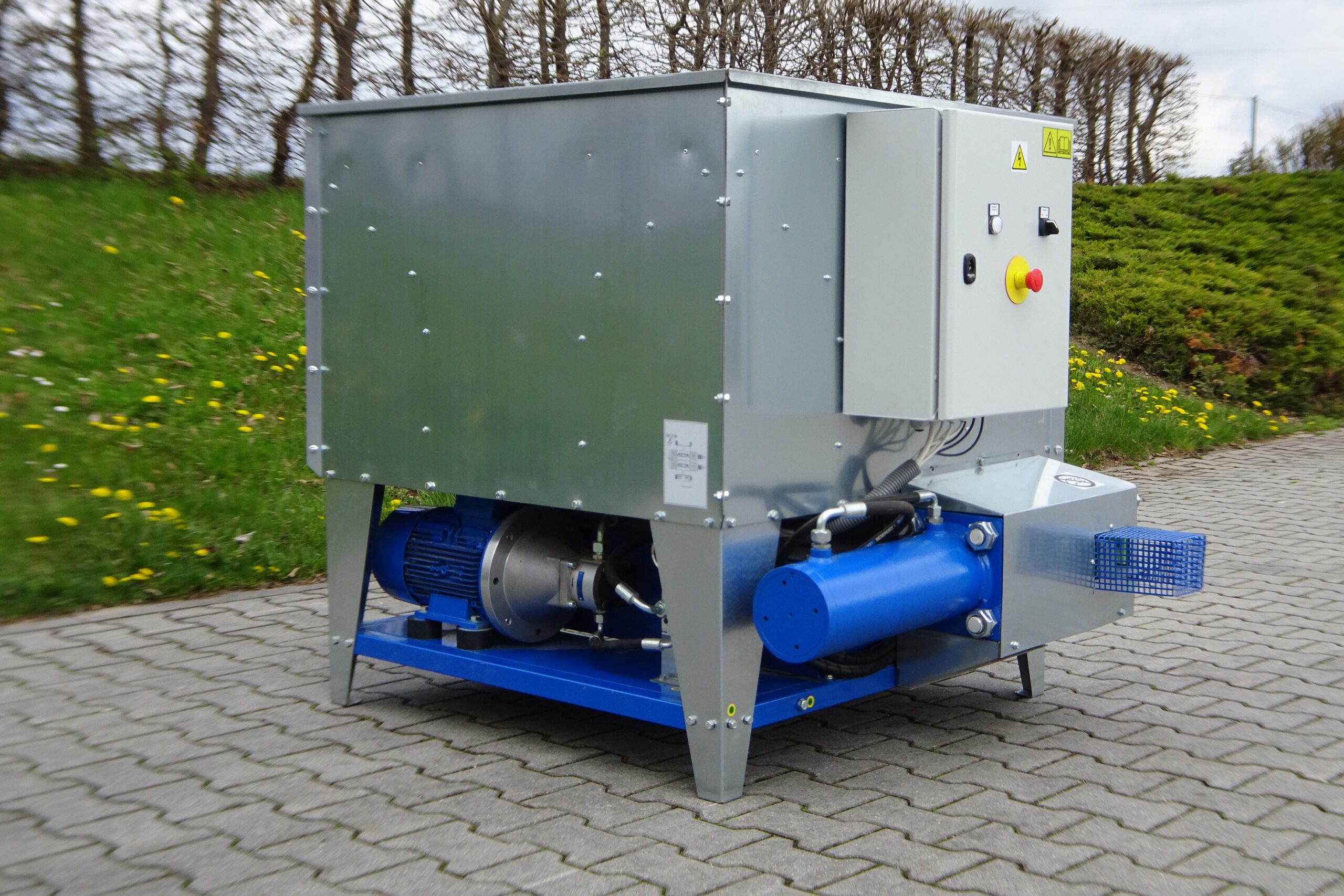
BrikStar EK 20

BrikStar
A compact hydraulic briquetting press for small joinery and carpentry shops that want a simple, low-cost way to convert dry wood waste into usable fuel. Single-switch operation, a modest footprint, and a low electrical load make it a practical first step into briquetting.

Typically chosen by

  • Small joinery or carpentry shops generating moderate volumes of dry wood waste who want a straightforward way to reduce disposal costs
  • Workshops with a solid fuel boiler or stove on-site, looking to produce their own fuel rather than buying it in
  • Operations where waste storage space is limited and reducing volume before collection or burning is a practical priority

Key specification considerations

Output
10–30 kg/hr
Actual throughput depends on material type, particle size, and moisture content — drier, finer material will sit toward the higher end of this range.
Motor Power
2.2 kW (hydraulic pump); 2.4 kW installed
Requires a 400 V three-phase supply — confirm your workshop supply before ordering.
Hopper Capacity
0.6 m³
Noise Level
~75 dB
75 dB is roughly comparable to a busy road or vacuum cleaner at close range — acoustic treatment is unlikely to be required, but hearing protection is advisable for prolonged exposure nearby.
SpecificationValueNotes
Output / Throughput
~10–30 kg/hr (up to ~25 kg/hr quoted)
Variation reflects differences in material density and moisture — treat the upper figure as a best-case with ideal input material.
Motor Power
2.2 kW (hydraulic pump); 2.4 kW installed input
Power Supply
400 V, three-phase; electrical protection IP54
IP54 rating means the electrical components are protected against dust ingress and water splashing — appropriate for a typical workshop environment.
Briquette Shape
Cylindrical, 62 mm diameter, 20–30 mm length
Briquette Density
~900–1,100 kg/m³
Higher density briquettes burn longer and store more compactly — actual density will vary with input material.
Max Working Pressure
~180 bar
Permissible Moisture Content
Up to ~15% by weight (optimal below 12%)
Material above 15% moisture will compress poorly and may produce briquettes that break apart or burn inefficiently — pre-drying may be needed if your waste is freshly generated.
Hopper Capacity
0.6 m³
Noise Level
~75 dB
Operating Temperature
Ambient +5 to +35 °C; oil working temp up to ~60 °C
Not suitable for unheated spaces in winter without adequate insulation — below +5 °C the hydraulic oil may not perform correctly.
Machine Weight
~385 kg
Below the threshold where structural floor loading is typically a concern, but confirm with your building if the machine will sit on a mezzanine or raised floor.
Suitable Input Materials
Sawdust, wood shavings, dry wood chips, carpentry waste
Machine Dimensions
Contact IWM for confirmation
Allow additional clearance around the hopper for filling access and around the outlet for briquette collection — speak to us and we will confirm the exact footprint before you plan your installation.
Manufacturer
BRIKLIS, spol. s r.o.

Is this the right
machine for you?

Choose the BrikStar EK 20 if...

  • Your workshop generates relatively modest volumes of wood waste and a throughput of up to 25–30 kg/hr is sufficient to keep pace with production
  • You want a low-power, low-running-cost machine — at 2.2 kW motor power this is one of the lightest electrical loads in the briquetting range
  • Floor space is at a premium and you need the smallest practical footprint for a hydraulic press
  • You are new to briquetting and want a straightforward, lower-capital entry point before committing to higher-capacity equipment

Consider an alternate model if...

  • Your waste output regularly exceeds 30 kg/hr — the Falach 30 (25–35 kg/hr) or Falach 35 (30–40 kg/hr) would handle that volume more reliably
  • You need throughput in the 40–60 kg/hr range — the Falach 50XL is the appropriate step up
  • You want a slightly larger hopper or different physical footprint within a similar output class — the Falach 20 and Falach 20XL share comparable capacity and are worth comparing on dimensions and build
  • Your input material is inconsistently dry or variable in particle size — a higher-pressure or larger machine may give more consistent briquette quality under those conditions
Still not sure? We're happy to help
Ready when you are

Ready to improve your
workshop's output?

Book a specification call with one of our engineers. Thirty minutes, no obligation, plain English advice on what would actually work on your floor.